Organisations constantly advocate for restructure and continuous improvement. The human beings in them complain about the struggle of yet another change.
In psychology, we don’t call it continuous improvement — it’s called losses and hurts. It’s identified as the grief cycle.
This is why most people complain and struggle when asked to change the way they think or behave. Psychologically and emotionally, they are encountering the very same struggle as when they have lost someone or something, or been hurt.
Life, Death and Rebirth
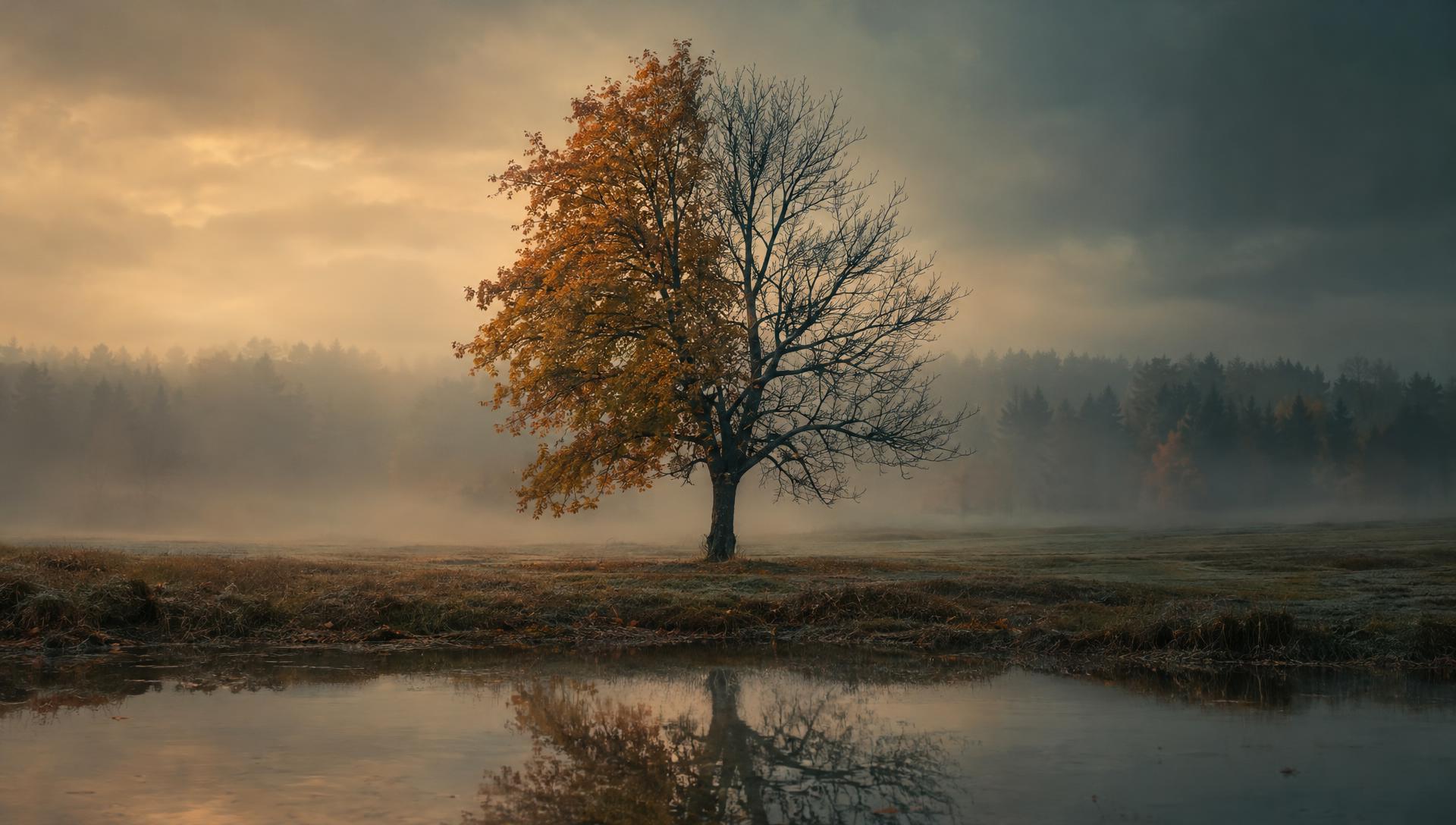
I am a social scientist. In psychology and sociology, we understand that losses and hurts are a normal part of life. Humans journey through various cycles and seasons. In all forms of life there is a life – death – rebirth cycle. You can’t have only summers; autumn and winter must follow. But not all stages are enjoyable — some involve anger or sadness.
What needs to die in me a little more, so some other things can come to live in me?
When I teach skills for building change resilience and change capability, I ask people to include this question in their mindfulness meditation.
The common forms of hurt are usually said to be loss of health, relationships, money, self-esteem, or change and loss at work. But there are many other forms of significant change — when reality brings a cycle of autumn or winter at home or at work.
The Change Agency Model
Feature diagram
The Change Agency Model
Endings
The Wilderness
New Beginnings
Swipe the diagram sideways · tap a stage for detail
Those who do better at these stages seem to move through them faster. They spend less time “unfreezing” and dealing with the unhappy stages around endings, and more time in the beginnings, “refreezing” with new choices after real forgiveness.
I have modified the usual model of change, continuous improvement, loss and hurt, and expanded it to include more detail of each psychological and emotional journey.
Moving Through the Stages
People who are not in what I call “good shape” or “healthy functioning” seem to spend more time in the shock and anger stages, and grind more slowly through using the ego or false self to “paper over the cracks”. It seems slower or harder for them to reach the health-giving stage called sadness, and then the life-giving stage called forgiveness.
In my experience, the stages from denial through to false self are the toughest, for the person in the struggle and for those they live and work with. It becomes somewhat easier in the stage called sadness: a period of low energy, ennui, “being lost enough to find yourself”. It is time in a wilderness of sorts, but it seems to be experienced as a type of relief.
By the time a person has moved close to forgiveness, there is a level of enthusiasm, energy and even pleasure. The new has commenced, and with it there are possibilities. With forgiveness, choice comes quickly and easily, and the ability to honour and stick with choices becomes doable.
I work with hundreds, occasionally thousands, of people each year engaged in personal growth and professional development. The rich anecdotal evidence I have gathered points towards the best and brightest at change being the fastest at getting through the stages. Perhaps this is what is truly meant by the word resilient.
What Makes People Resilient to Change?
What makes people better at dealing with life’s hurts and losses, and moving more comfortably through change? My best assessment:
- They’ve had practice Some people are more practised at it. They seem to have had “bigger” lives, often including more difficult times. Many say adversity has given them bigger hearts and kinder eyes, and the ability to find compassion for themselves and others.
- They can self-reflect and self-manage Resilient people are aware of their mind chatter. They genuinely accept being human, with a brain that keeps firing off neurotic thoughts, and can detach from those thoughts rather than be at their effect. Self-awareness means honestly accepting their defences and habits of ego.
- They know change is “not personal” Even though it may feel that way, change requirements are not personal. Resilient people move beyond believing someone is out to get them or owes them something, and see that this is simply how life cycles and organisations behave.
- They let go of the need to control Flowing a little more with what life brings is critical. Many of us have to learn the skill of cultivating surrender, and it rarely comes without practice. While our intelligent brain constantly fires off beliefs, the deeper, wiser part of us — the unconscious or true self — understands that life’s cycles and seasons are a mystery. You are not in charge here. Life will continue to happen to you.
- They take responsibility They have developed and practised the ability to give up old habits of blaming others, justifying ineffectiveness, denying their part, or quitting. Instead they take responsibility for the choices they do have and the actions they take, and for the actions they don’t take, because in the end it’s you who lives with the consequences.
Carl Jung reportedly observed that around age 47 for women and 50 for men, people move into a season of almost spiritual understanding: whatever happens will pass, and another season will replace it. So change resilience may come more easily later in life.

Jane Downing
Director, The Change Agency
Master’s in Organisational Change, Higher Degree in Counselling Psychology and a Degree in Education, with 30+ years teaching leaders and teams.